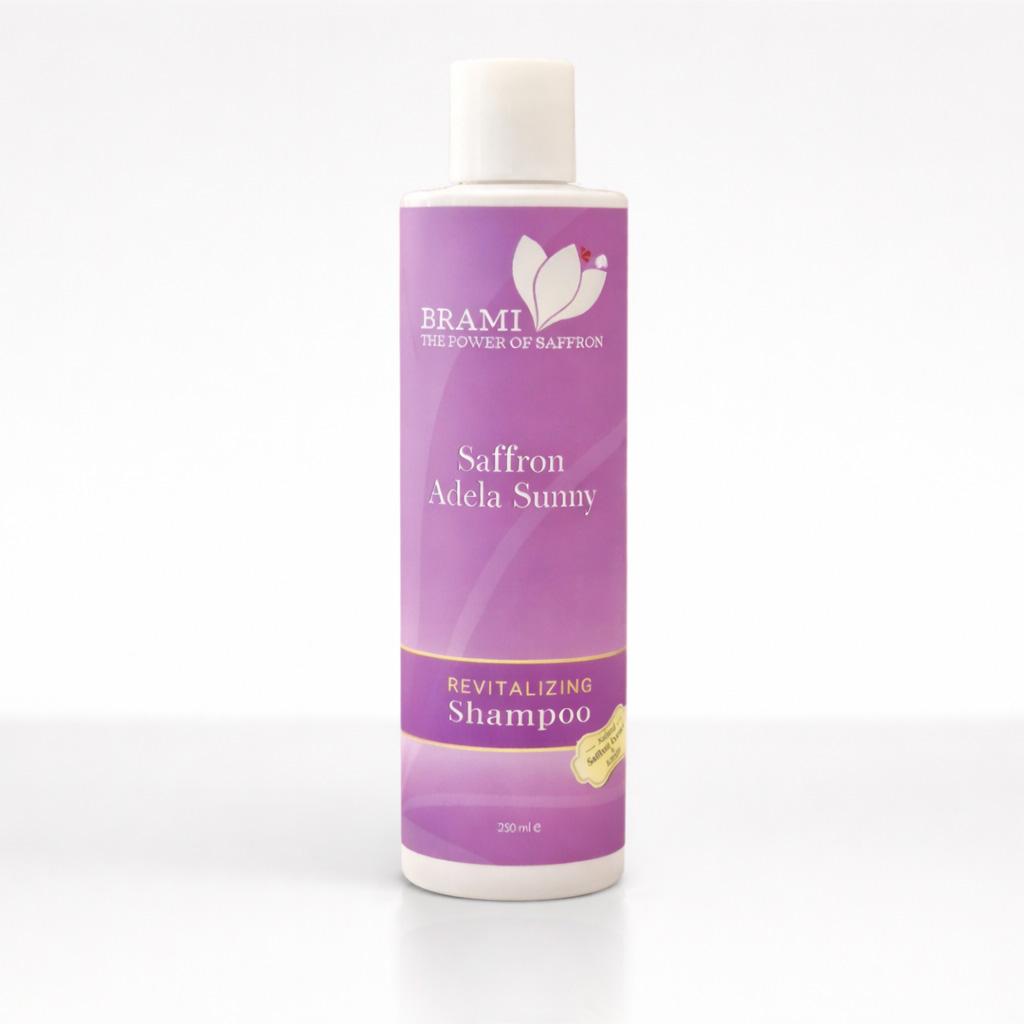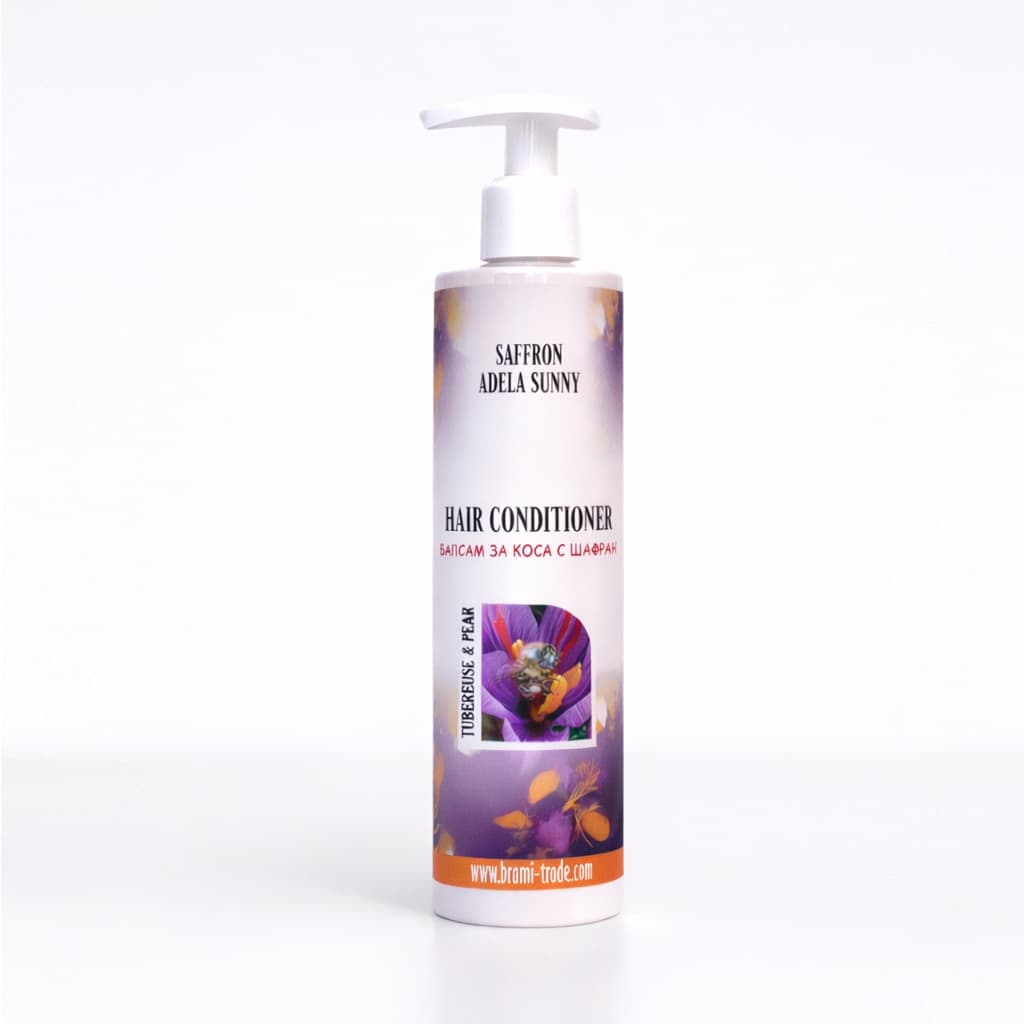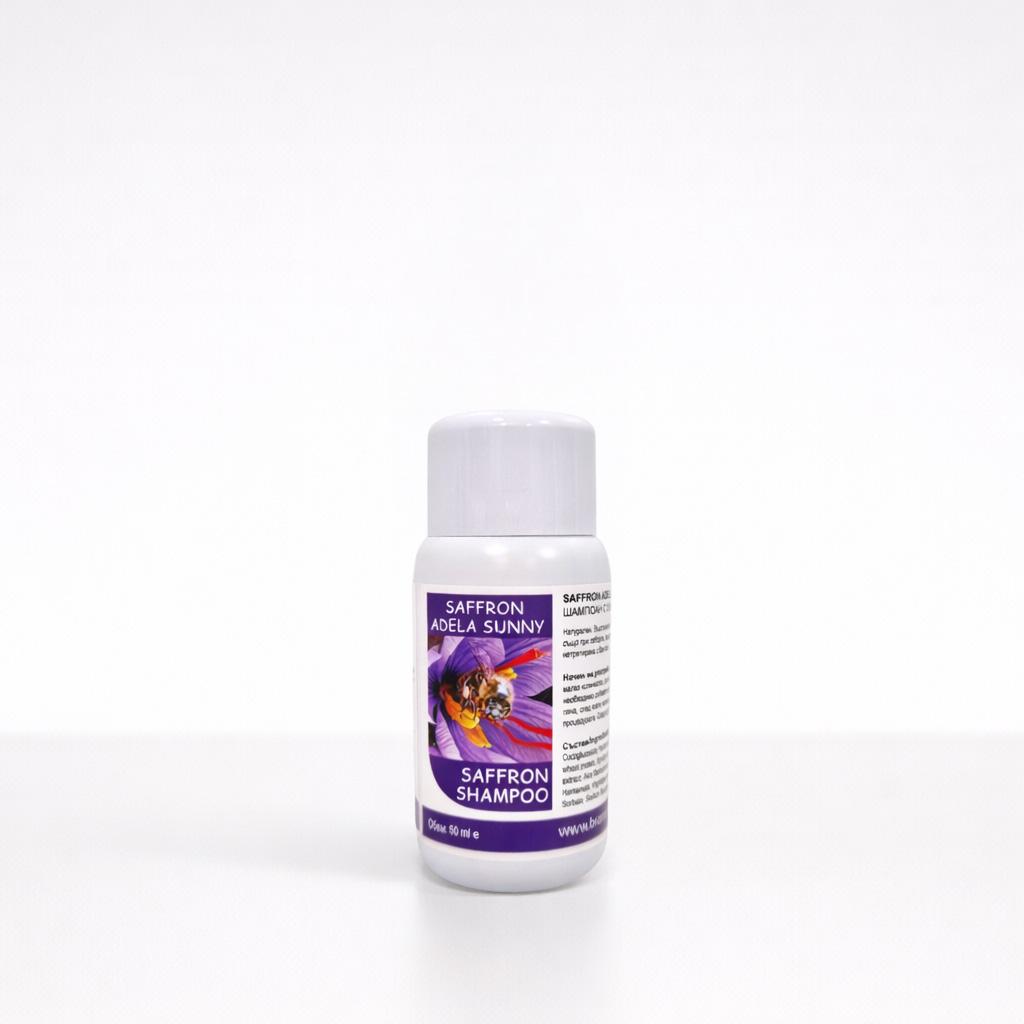

In this article, we discuss the role of nutrition, washing and foaming agents, the hidden chemistry in lather, the characteristics of our shampoo and conditioner, their importance and benefits for healthy hair, and suitable ways to use them. Discover the secrets of beautiful hair, from your plate and the lather to the labels on your shampoo and conditioner.
Nutrition
Hair follicles need a constant supply of nutrients through the blood to produce healthy, strong fibres. Hair is made almost entirely of the protein keratin. A lack of protein leads to weak, brittle hair and premature hair loss, so it is good to include key nutrients that benefit follicles in your diet. Growth and the prevention of hair loss can be supported by obtaining omega-3 fatty acids, iron and zinc, biotin and B vitamins. According to expert advice, eggs, salmon and mackerel supply the body with essential omega-3 fatty acids. Spinach and lentils are rich in iron, folic acid and vitamin C. Walnuts and almonds provide large quantities of zinc and vitamin E. Depending on hair type, some foods are recommended while others are not. For example, carbohydrate-rich foods such as sugar, pastries and sweets, as well as high-calorie foods, should be limited for oily hair.
Washing
Washing is the most important part of the full spectrum of hair care. It serves both a hygienic and a cosmetic purpose. Correct, regular washing is the minimum needed for healthy hair, but very few people are fortunate enough to have hair that needs no more. Washing frequency is highly individual and can range from every day to every ten days. Determining factors include hair type, the season, the daily environment and the dust it deposits on the hair, when we wear hats, and the cleansing products we use. Common practice is to wash healthy hair with normal oiliness once every 4-5 days. Oily hair is washed every other day, alternating mild shampoos with shampoos for oily hair. Continually touching or brushing the hair stimulates the sebaceous glands to produce more oil, making hair greasy more quickly. Dry hair is often weakened and brittle. It is washed once every 8-10 days, with strengthening and moisturising treatments in between. The quality of the water from our bathroom taps is also very important for hair health. Brush thoroughly before washing. The better the hair is detangled beforehand, the easier it will be to comb afterwards. Choose a suitable water temperature. Choose a shampoo according to your hair's individual condition. Do not squeeze shampoo from the bottle directly onto your head. Pour a small amount into your palm, then massage it into the scalp. A second application may be needed because dirt and skin oils are sometimes not fully removed the first time. Washing should not take too long either, as this removes too much oil and reduces shine. Rinse thoroughly after washing; weakened hair can benefit from special rinse treatments with a strengthening effect.
Foaming agents
Sulphates - yes or no?
The choice between a shampoo with or without sulphates depends entirely on hair type and scalp condition. Sulphates, such as SLS - Sodium Lauryl Sulfate and SLES - Sodium Laureth Sulfate, found in the Ingredients section of the label, are strong chemical cleansing and foaming agents. They produce a rich lather, remove all oils, including natural ones, and can be too harsh for more sensitive hair. Sulphates in shampoos strip the skin of its natural oils, or sebum, causing dryness, irritation and breakage. They are widely considered bad, but they also serve specific purposes.
When should you say yes to sulphates?
Sulphate shampoos are good for deep cleansing when there are specific needs, such as an oily scalp. In these cases, they effectively remove excess sebum and prevent hair from clumping and quickly becoming weighed down. If you use styling products, waxes, hairsprays or heavy silicone oils, sulphates wash them away completely. Anti-dandruff shampoos use a sulphate base to deliver specific ingredients deep into the scalp. Although they remove oils extremely effectively, long-term use leads to serious cosmetic and dermatological concerns.
When should you say no to sulphates?
Sulphate-free care is strongly recommended for the following hair types because it preserves natural moisture:
Curly and wavy hair: Curls are naturally drier, and sulphates dry them further and disrupt their shape.
Coloured hair: Sulphates open the cuticle and quickly wash out artificial pigments.
Dry, weakened and treated hair: Sulphate-free care protects hair from further breakage and split ends.
Sensitive scalp: Sulphate-free care reduces the risk of redness, itching and allergic reactions.
Brami and Saffron Adela Sunny in hair care
Saffron shampoo: Thanks to its balanced combination of natural cleansing agents, proteins and regulating extracts, this product is exceptionally versatile. How does it work for different hair types? This shampoo will pleasantly surprise you.
How does it affect oily hair? It has a balancing action, even though it is sulphate-free. Many people with an oily scalp are wary of mild shampoos, but our formula contains ingredients that specifically target sebum regulation.
Positive effects (benefits)
Oil regulation through a natural stimulant - tightens scalp pores, calms the sebaceous glands and reduces excess sebum production.
No over-drying effect. Sulphate shampoos often over-dry the scalp. This makes the body react by producing twice as much oil, known as rebound oiliness. The mild natural foaming agents here cleanse effectively without triggering this defence mechanism.
Volume at the roots: Saffron extract combined with aloe strengthens the scalp, while proteins - keratin and wheat protein - give the hair lightness and body, preventing it from clumping too quickly.
As it contains no sulphates, the shampoo will lather a little less easily on the first application to very oily hair. This hair type will almost always need two consecutive applications to wash away the oily layer completely.
Can it help with seborrhoea?
The shampoo can be extremely useful as complementary and maintenance care. Its formula is exceptionally well balanced for soothing a troubled scalp. Its ingredients help address seborrhoea and dandruff by soothing inflammation and itching. They relieve the redness and persistent itching typical of seborrhoeic dermatitis. It reduces oiliness, the source of nourishment for dandruff. Seborrhoea develops when the scalp produces too much sebum, on which dandruff-causing fungi feed. Our product does not perpetuate the vicious cycle of sulphates. Harsh sulphate shampoos over-dry the scalp, causing more flaking (dry dandruff) or a reflex increase in oil production (oily dandruff). This shampoo cleanses exceptionally gently and preserves the skin's protective barrier. We do not claim that it will be enough during acute phases of seborrhoea with thick scales, severe redness and sores. Medication is also needed to eliminate the fungus responsible, but the formula is designed to tighten pores and regulate the sebaceous glands, depriving the fungi of their nutrient supply.
For dry hair. If hair is naturally dry - for example, thick and strong but rough to the touch - this combination may overload it. But if dryness results from colouring, sun exposure or heat styling, it will work wonderfully.
This shampoo offers moderate intensity and strengthening care thanks to structural proteins whose molecules are small enough to penetrate beneath the hair cuticle. They fill gaps and microscopic damage in affected areas, literally repairing the hair from within. The proteins restore broken bonds caused by colouring, lightening or heat treatment. This gives hair more body and significantly reduces breakage along the lengths. The ingredients protect the cuticle and condition and smooth the outer layer of the hair, sealing proteins inside and adding shine and smoothness.
The shampoo is suitable for hair weakened by chemical treatments, which has lost elasticity and looks too soft and lifeless, a sign of insufficient protein, and for hair exposed to sun, wind and regular blow-drying.
The combination of ingredients in the shampoo is very suitable for normal and coloured hair, as it keeps the colour vibrant for a long time. The absence of sulphates means the dye pigment will not be stripped away aggressively in the first few washes. The hair retains its rich shade and recovers after colouring. The formula fills microscopic structural damage inevitably caused by dye, restoring strength and elasticity. It maintains the balance of a normal scalp. When the scalp is neither excessively oily nor dry, gentle coconut-derived foaming agents maintain its ideal natural balance without causing dandruff or irritation. Saffron extract and aloe vera hydrate the scalp, reduce itching and close the hair cuticle, making coloured hair reflect light more strongly and look vibrant and shiny. Normal but coloured hair needs both protein for repair and moisture for hydration. Prolonged use of protein products without enough hydration can overload it, making hair too stiff, coarse and prone to breakage. The shampoo's balanced formula deeply hydrates without overloading the hair. To meet different needs, however, we have complemented it with a product that stays on the hair longer and provides additional rich hydration: a conditioner with saffron, vitamins and oils. Combining the two products addresses the balance between protein and hydration. Their formulas complement each other perfectly, providing everything the hair needs.
Why do the shampoo and conditioner work so well together?
The ideal balance (protein + moisture): While the shampoo delivers hydration and strengthening proteins during washing through saffron, aloe, keratin and wheat protein, the conditioner brings a rich blend of oils - argan oil, olive oil and jojoba oil. These emollients lock proteins into the hair, soften the lengths and prevent stiffness.
Double antioxidant protection for colour: Both products contain Bulgarian saffron extract. Saffron is exceptionally rich in antioxidants that protect the pigment of natural or coloured hair from oxidative stress and fading caused by the sun and environment, while creating the conditions for healthy, vibrant hair.
Deep hydration and shine: D-panthenol (vitamin B5) and vitamin E in the conditioner close and smooth the hair cuticle, providing the shine that is so difficult to maintain in coloured hair.
Building routines
How should you use the shampoo and conditioner for the best results with different hair types?
For normal hair:
Shampoo: You can use it 2 to 3 times a week. Its mild foaming agents make it completely safe for regular use. Apply throughout the hair, lather and massage the scalp thoroughly for about a minute to activate the herbal extracts.
Conditioner: Squeeze excess water from the hair by hand. Apply the conditioner thoroughly to the lengths and ends. Leave on for 2-3 minutes and rinse with lukewarm water for extra shine.
The correct method for oily hair:
Wash twice. The first application will only break down surface sebum. Rinse and apply again: this time, the shampoo will lather richly and cleanse deeply. On the second application, leave the lather on the scalp for 1-2 minutes to allow it to regulate the sebaceous glands. Apply conditioner from the mid-lengths down to the ends.
How can you optimise dry hair care with these products?
Wash no more than 1 to 2 times a week. Dry hair has a particularly strong need for the natural sebum produced by the scalp. Because the sebaceous glands work more slowly in this hair type, excessive washing, even with an exceptionally gentle sulphate-free shampoo like this one, will remove valuable oils and dry the lengths further. Here are a few golden rules for washing dry hair with this product:
Lather only once: Unlike oily hair, dry hair needs just one application of shampoo. There is no need for a second wash unless you have used a lot of hairspray or gel.
Focus on the scalp. Apply shampoo and massage at the roots. Do not rub the lengths and ends. The lather that forms and runs down during rinsing is enough to cleanse them without stripping away moisture.
Use lukewarm water: Hot water opens the hair cuticle and dries it further. Rinse shampoo and conditioner with lukewarm water to seal in hydration. If your hair needs refreshing midweek, you can try co-washing, washing only with Brami - Saffron Adela Sunny conditioner without shampoo, or simply rinse with water and apply a little other leave-in product to the ends. For dry hair, leave the conditioner on a little longer, around 5 minutes, so the oils can soften the hair deeply. To maintain moisture balance, you can also add a leave-in finishing product, such as a few drops of hair oil or serum on damp ends before drying.
Features of Brami - Saffron Adela Sunny saffron conditioner
The Brami - Saffron Adela Sunny saffron conditioner is specially formulated. While mass-market conditioners contain heavy silicones that clog scalp pores and cause oiliness or hair loss, this product uses a natural, light therapeutic base. One of the main reasons this conditioner is safe to apply at the roots is its substantial concentration of saffron. Applied to the scalp, it reduces redness and irritation, soothes the chronic itching characteristic of a dry scalp or seborrhoea, and protects skin cells from oxidative stress and premature ageing. It therefore has a soothing, anti-inflammatory action. Unlike surface conditioners, its ingredients also support the health of new hair. The combination of D-panthenol (vitamin B5) and vitamin E penetrates the scalp, improves microcirculation and delivers moisture directly to the hair root, stimulating healthier growth. The product uses a carefully refined plant-based formula without heavy film-forming silicones such as Dimethicone or Cyclomethicone, which build up on the skin and suffocate it. Argan, jojoba and olive oils are selected to mimic the skin's natural sebum. Jojoba, for example, is a plant-derived substance that balances the scalp: it hydrates a dry scalp but can signal an oily scalp to stop excessive oil production. Frequent washing or colouring disrupts the scalp's acid-alkaline balance (pH), but this conditioner acts like a soothing face cream, protecting and restoring.