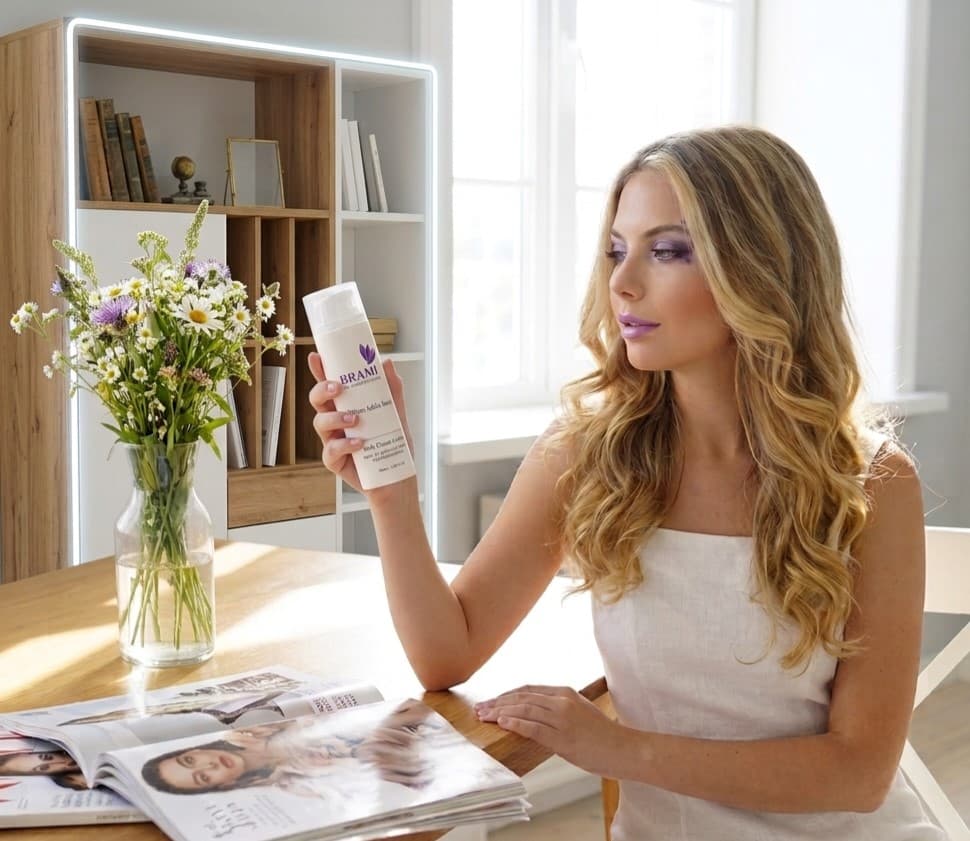
The skin is the largest organ of the human body and has many important roles that often go unnoticed. As well as forming a protective barrier, it regulates temperature, participates in the immune response and is central to our appearance. It is structured in three layers: the epidermis, dermis and hypodermis. Understanding its functions helps us choose the most suitable way to care for its health in good time.
A protective barrier
One of the skin's main functions is to form a protective layer that shields the internal organs from external aggressors such as bacteria, viruses and pollutants. The skin creates a natural barrier that prevents unwanted substances from entering, helping keep the body safe. It also prevents water, blood, vital fluids and nutrients from leaving the body. The skin is continually exposed to factors such as cold, wind and sun. These affect the outermost, horny layer of the epidermis and can cause a range of unwanted changes in appearance. We all love the sun, but its rays age the skin: wrinkles become more pronounced and deeper, and pigmentation spots appear. At the other extreme is cold. People working at low temperatures often experience uneven dilation of the small blood vessels. Both heat and cold can cause blood vessels to dilate or constrict, which also affects microcirculation in the skin. Protective products can help the skin cope with these external influences. When the skin is healthy and hydrated, its defence mechanisms work more effectively.
Temperature regulation
The skin plays an important role in regulating body temperature. It maintains heat exchange between the body and the external environment. Through sweating and the dilation of blood vessels, it helps maintain a constant body temperature. When it is hot, sweat evaporates and cools the body. Conversely, in cold weather, blood vessels constrict to conserve heat. Skin health is essential to this process. Keeping the skin hydrated and balanced with natural oils and extracts may help optimise temperature regulation.
Sensory perception
The skin contains many receptors that allow us to sense touch, pressure, temperature and pain. These receptors tell us about our surroundings and help us respond to potentially dangerous situations. The skin's nerve receptors are connected to the internal organs, brain and spinal cord, so their condition affects the functions of the skin, as well as the nails, hair and sebaceous glands. Skin care should also help preserve its sensitivity. Ingredients that soothe without causing irritation have a particular advantage. They can help maintain healthy sensory function.
Its role in the immune system
The skin is one of the immune system's first lines of defence. It contains cells that respond to infectious agents and help prevent infections from developing. Healthy skin is better able to deal with pathogens and inflammation. Regular, appropriate care helps maintain its immune function.
The cosmetic aspect
The skin plays an important role in our appearance. It reflects our health and emotional wellbeing. Smooth, radiant skin is a sign of good health, while skin problems can have a negative effect on confidence. It is therefore important to invest in daily care, regular cleansing and massage, and to use water at a suitable temperature when washing. Our diet should be rich in antioxidants, healthy fats, high-quality proteins, vitamins and minerals. As skin cells are constantly renewed from the inside out, diet directly helps build new tissue and the lipid barrier. Finally, high-quality cosmetics with strong antioxidant properties and a high proportion of natural ingredients help maintain the skin's appearance as gently as possible and support its rejuvenation and freshness.
Vitamin production and detoxification
The human body obtains most of its vitamin D through the skin under the influence of ultraviolet rays. A deficiency disrupts calcium and phosphorus metabolism. The skin can cleanse itself through its sweat glands, releasing excess salt and water from the body in the process. It is fairly resistant to chemical influences, but some chemicals can destroy the outer horny layer and enter the body, spreading through the blood and lymphatic systems.
How can saffron help restore a damaged skin barrier?
To restore a damaged skin barrier, the first and most important step is to consult a doctor or dermatologist. You should temporarily stop using all harsh active ingredients and focus on three basic steps: minimal cleansing, intensive moisturising and protection. The skin barrier (the lipid layer) needs specific fats and ingredients to fill the "cracks" between cells and stop transepidermal water loss. While the skin is red, tight, burning or flaking, completely stop using alpha and beta hydroxy acids (glycolic, salicylic and lactic acid), retinoids (retinol, tretinoin and retinal), products with a high alcohol content (Alcohol Denat), scrubs, facial brushes and exfoliating sponges, perfumes and essential oils. Choose serums or creams rich in ingredients such as panthenol (vitamin B5), centella asiatica (Centella Asiatica), hyaluronic acid and glycerin.
If you are wondering whether you can also use saffron, the answer is a definite yes. A product containing saffron is an excellent choice for restoring a damaged skin barrier. Saffron contains the powerful bioactive compounds crocin, crocetin and safranal, which have scientifically proven anti-inflammatory, soothing and regenerative properties. It helps reduce redness and stimulates cell renewal. Applied topically, saffron acts as a natural brightening agent, a powerful antioxidant and an anti-ageing ingredient. Its active ingredients protect cells from external aggressors and help regenerate the skin barrier.
However, there are significant differences between using a ready-made cosmetic product containing saffron and applying natural saffron (the spice) at home.
1. A ready-made saffron cream - the recommended option
Cosmetics formulated with saffron extract are among the safest ways to restore a damaged skin barrier.
Why it helps: Ready-made products combine soothing saffron with base ingredients that lock in moisture.
What to look for: For the greatest effect on the skin barrier, choose, for example, a cream that combines saffron with some of the following ingredients: ceramides, hyaluronic acid, squalane or panthenol. These combinations regenerate the epidermis much faster.
Safety: Ready-made cosmetic formulas are assessed by a doctor and laboratory-tested, with a balanced pH and a controlled concentration to minimise the risk of further irritation.
2. Homemade masks with pure saffron - a risky option for damaged skin
If you want to use real saffron threads, ground and mixed with yoghurt, honey or a carrier oil, you need to be extremely careful.
Why it is risky for damaged skin: When your skin barrier is compromised, with tiny cracks, redness and burning, the skin becomes hypersensitive. Applying concentrated, pure plant extracts or spices directly can cause contact dermatitis or an allergic reaction.
Staining: Pure saffron contains strong natural carotenoids (pigments) that can easily give damaged skin a temporary yellowish tint.
3. How can you proceed safely?
If you use a ready-made cream: Apply it morning and evening as the final step in your minimal skin care routine.
Key skin benefits of a high-quality natural cosmetic product containing saffron.
Brightening the complexion: Reduces melanin production. Lightens pigmentation spots, acne scars and dark circles.
Anti-ageing effect: Stimulates collagen production. Reduces fine lines and improves skin elasticity.
UV protection: Acts as a natural shield against solar radiation. Neutralises free radicals from polluted air.
Acne control: Has strong antibacterial and anti-inflammatory properties. Deeply cleanses pores and soothes redness.
Improved microcirculation: Increases the flow of blood and oxygen to cells. This gives the skin a natural, fresh and radiant appearance.
Deep hydration: Maintains optimal moisture levels in the epidermis. Makes dry, rough skin soft and smooth.
If you decide to make a homemade mixture for damaged skin: Wait for the first 5-7 days until the most severe burning and redness have passed. Before applying the mixture to your face, always carry out a patch test (tolerance test) on a small area in the crease of your elbow or behind your ear.
Benefits of taking saffron internally.
Taking saffron provides powerful antioxidant protection, improves mood and helps with mild to moderate depression. Known as "red gold", it contains the active compounds crocin, crocetin and safranal, which counteract inflammation and stress in the body.
Key health benefits.
Mental health: Acts as a natural antidepressant. Reduces anxiety, stress and irritability.
Libido and sexual function: Increases sexual desire in both sexes. Improves erectile function in men.
Vision: Slows age-related macular degeneration. Protects retinal cells from damage.
Cardiovascular system: Stimulates blood circulation and regulates blood pressure. Reduces the risk of plaque build-up in the arteries.
PMS symptoms: Relieves menstrual discomfort, cramps and mood swings.
Memory and cognitive function: Enhances the ability to learn.
Weight management: Reduces appetite and emotional overeating.
Saffron provides antioxidant support: Whether applied topically or taken orally, saffron acts as a natural brightening agent, a powerful antioxidant and an anti-ageing ingredient.
Conclusion
The skin is the largest organ of the human body. It is a complex, dynamic system that serves as the main protective barrier between the body's internal environment and the outside world. It performs vital biological functions and reflects a person's overall health.
1. Anatomy - the three layers
Epidermis: The outermost layer. It has no blood vessels of its own. Its surface (the stratum corneum) consists of dead cells held together by lipids. It protects against bacteria and water evaporation. It renews itself completely every 28 days.
Dermis: The thick middle layer. It contains collagen and elastin, which provide strength and elasticity. This is where the blood vessels, nerve endings, hair follicles, sweat glands and sebaceous glands are found.
Hypodermis: The layer of fat beneath the skin. It provides thermal insulation, an energy reserve and mechanical protection by cushioning impacts.
2. The skin's main functions
Protection (barrier): Protects the body against mechanical injury, UV radiation, chemicals and pathogens (bacteria and viruses).
Temperature regulation: Maintains a constant body temperature by constricting or dilating blood vessels and releasing sweat to cool the body.
Sensory perception: Millions of nerve endings allow us to feel touch, pressure, pain, heat and cold.
Excretion and secretion: Releases toxins and excess salts through sweat, and oils (sebum) through the sebaceous glands for lubrication and protection.
Metabolism: Sunlight enables the skin to synthesise vitamin D, which is essential for the skeletal system and immunity.
3. The skin as a reflection of health and emotions
Physiological connection: Changes in colour or texture, or the appearance of rashes, often signal internal problems such as hormonal imbalance, allergies, dehydration, or liver or stomach disorders.
Psychosomatic connection: The skin and nervous system develop from the same embryonic germ layer. This is why stress and emotions affect the skin immediately: turning pale with fear, blushing with embarrassment, or flare-ups of acne, eczema or psoriasis during severe stress.
4. Care and ageing
External factors: Solar radiation (photoageing), smoking, polluted air and a poor diet accelerate collagen breakdown and damage the skin barrier.
Maintaining balance: To function properly, the skin needs adequate hydration, a balanced pH (around 5.5), sun protection and gentle care that does not disrupt its natural microbiome.