
This article explores the many roles of saffron (Crocus sativus L.) in the cultural and historical context of the Mediterranean basin. It examines the historical development of its cultivation, its economic importance as a high-value commodity, or red gold, and its place in the mythology of ancient societies. Particular attention is given to the little-studied but intriguing aspects of its use in ancient beauty treatments and cosmetology. Through a review of historical sources, archaeological evidence and ethnobotanical data, the article traces how this spice crosses the boundaries between cooking, medicine and aesthetics. It concludes that saffron functions as a key cultural and economic marker that helped shape the identity of Mediterranean traditions.
Saffron in Mediterranean culture
For centuries, the Mediterranean basin has been a cradle of civilisations whose daily life, economy and culture are deeply connected with the gifts of the plant world. Of all the plant species to leave a lasting mark on the region's history, none combines such high material status and a mystical aura as saffron (Crocus sativus L.). Known in antiquity as red gold, it goes beyond its role as an ordinary culinary ingredient to become a symbol of luxury, divine favour and supreme aesthetics.
Saffron's roots in southern Europe and the Middle East are intertwined in a dense network of myths and historical chronicles. Ancient Greek mythology links the plant's origin to the tragic fate of the young Crocus, transformed by the gods into a beautiful flower whose fiery stigmas symbolise unrequited love and immortality. Archaeological finds, including the famous Bronze Age frescoes from Santorini (Akrotiri), testify to saffron's central place in the ritual life and economy of Minoan civilisation.
As well as being an expensive traded commodity and a dye for royal robes, saffron held a prominent place in ancient medicine and cosmetology. Intriguing historical sources suggest that rulers such as Cleopatra used saffron baths for their powerful rejuvenating, aphrodisiac and beautifying properties, while the Roman aristocracy sprinkled theatres with saffron water as a display of prestige. In ancient beauty treatments, the plant was valued for its ability to give skin and hair a golden glow - an effect modern science explains through its exceptionally high concentration of carotenoids and antioxidants. Saffron had a deeply sacred status in the ancient Mediterranean, central to the mythology, rituals and economy of the Minoans, Greeks and Romans. Archaeological discoveries such as the Akrotiri frescoes and Linear B tablets, an ancient script used in the late Bronze Age (14th-12th centuries BC), demonstrate its importance, while myths connect the plant with the gods and the Romans used it as a symbol of luxury and purification. Examining myths of metamorphosis and archaeological evidence of Bronze Age saffron cultivation reveals the plant's many roles in antiquity.
The Minoan frescoes and archaeological evidence from Akrotiri
The earliest and most visually striking evidence of the cultivation and ritual importance of saffron (Crocus sativus) in the Mediterranean comes from the Aegean Bronze Age. Archaeological excavations at Akrotiri on the island of Santorini (Thera), buried beneath volcanic ash around 1600 BC, uncovered exceptionally well-preserved frescoes that transformed our understanding of ancient ethnobotany.
                    STRUCTURE OF THE FRESCO

  [ Great Goddess ] <--- (Offering) <--- [ Young woman / Monkey ]
         ^                                         |
         |                                         v
  (Throne and guards)                     [ Basket of saffron ]
                                                   ^
                                                   |
  [ Field of crocuses ] --------> (Gathering) -----> [ Saffron gatherers ]
The Saffron Gatherers fresco (Xeste 3)
This mural occupies a central position in a two-storey building thought to have been used for public rituals or the initiation of young girls.
Subject: Young women dressed in elaborate Minoan clothes and jewellery are shown gathering wild crocus flowers (Crocus cartwrightianus) into baskets.
Hierarchy and ritual: The gathered threads are carried and poured into a large vessel before an enthroned Great Goddess (Potnia), guarded by a griffin and a blue monkey. This directly demonstrates that saffron was regarded as a sacred plant, a mediator between the human and divine worlds.
Coming-of-age initiation: The shaved heads of some girls, indicating their young age, and the presence of older women suggest that saffron gathering formed part of a rite of passage associated with puberty and women's health.
Economic context: Linear B
The plant's importance is also confirmed by written sources from the later Mycenaean period. The ideogram *144 (CROKOS) appears in the palace archives of Knossos (Crete) and Pylos (Peloponnese), inscribed on clay in Linear B.
The texts describe saffron as a commodity strictly controlled by the palace.
It was used to pay taxes, as an ingredient in oil-based perfumes and as an exceptionally valuable textile dye.
2. Mythology and legends in ancient Greece
In the classical Greek world, saffron lost some of its purely economic importance to the palace, but strengthened its place in mythology through stories of transformation (metamorphosis), love and divine identity.
       [ Crocus (Mortal youth) ]  <=========>  [ Smilax (Nymph) ]
                                    Unrequited
                                       love
                                         |
                                         v
                              [ Death / Metamorphosis ]
                                         |
                                         v
                         [ The Crocus sativus flower ]
                     (Purple petals + Fiery threads)
The myth of Crocus and Smilax
According to later Greek mythology, subsequently described by Ovid, Crocus was a handsome mortal youth who fell in love with the nymph Smilax.
Their love was unhappy or unrequited, leading to the young man's tragic death.
The gods, moved by his grief, transformed him into a crocus flower.
The flower's three fiery red stigmas symbolise his passionate, undying love, while Smilax herself was transformed into a yew or climbing plant.
An alternative myth involving Hermes
Another popular version connects the plant with Hermes, the messenger of the gods.
While Hermes and his young friend Crocus were practising discus throwing, the god accidentally struck the young man fatally in the head.
As Crocus died, three drops of his blood fell to the ground, where the first crocus flower grew. The blood became its precious red threads.
Saffron as a divine attribute
In Homer's epic poetry, saffron colours the sky: Dawn is called saffron-robed Eos (Krokopeplos). The yellow-orange colour of saffron-dyed clothing was reserved for deities such as Dionysus and Artemis, royalty and brides on their wedding day, symbolising purity, fertility and light.
3. Roman splendour: secularisation and widespread use
In the Roman Empire, saffron (crocum) moved from the strictly sacred sphere into extravagant luxury, ostentation and the absolute prestige of the patrician class.
                  ROMAN PRACTICES WITH SAFFRON

  [ Public spaces ]       ---> Sprinkling (Saffron water)
  [ Imperial banquets ]   ---> Shower of petals (Nero)
  [ Religious rituals ]   ---> Burning on altars (Purification)
Public luxury and theatres
The Romans were fascinated by saffron's fragrance. In theatres and amphitheatres, before performances or during gladiatorial games, they practised sparsio: sprinkling the audience and stage with a mixture of saffron, wine and water. This scented and cooled the air and masked the smell of blood and sweat.
Imperial excesses
Nero: Historical sources suggest that when Nero entered Rome, the city's streets were completely strewn with saffron to emphasise his semi-divine status.
Elagabalus: Known for his extravagance, the emperor bathed in pools filled with wine and saffron and made his banquet guests walk on a thick carpet of saffron crocuses.
Sacred and everyday functions
Despite its widespread use for entertainment, the Romans retained respect for the plant's purifying properties. Saffron was burned as incense during sacrifices, placed in the tombs of distinguished citizens to purify the spirit, and was a key ingredient in the most expensive Roman perfumes, such as the famous Susinum.
Ancient cosmetology and the modern biochemistry of saffron
The cosmetic use of saffron (Crocus sativus L.) in the ancient world was a complex system of empirical practices aimed at rejuvenation, dermatological treatment and aesthetic improvement. Today, modern biochemistry confirms the effectiveness of these ancient treatments, finding scientific explanations behind the legendary beauty elixirs.
1. Ancient cosmetic treatments and recipes
In Egypt, Greece and Rome, saffron was available only to the highest social classes because of the exceptionally complex harvesting process. Its therapeutic role in cosmetics was based on its ability to brighten the complexion, remove pigmentation and smooth the signs of ageing.
       [ Saffron baths ] ========> Deep hydration and anti-ageing care
       [ Milk/honey masks ] =====> Brightening and exfoliation
       [ Oil-based ointments ] => Sun protection and regeneration

Cleopatra's baths: a ritual for regeneration and an aphrodisiac
Although legends often associate Egypt's last queen, Cleopatra VII, primarily with donkey milk baths, historical sources suggest that she added substantial quantities of saffron threads to warm water before meetings with important political figures such as Mark Antony.
Aesthetic function: Saffron gave the skin a subtle golden hue, regarded as a sign of divine origin and aristocratic status.
Sensory function: Warm water released the plant's volatile compounds, acting as a powerful fragrant aphrodisiac and muscle relaxant.
Face masks and pigmentation
In ancient Rome, women from patrician families used saffron in faciei medicamina, or facial cosmetics, to address chloasma (skin patches) and acne.
Honey and donkey milk mask: Powdered saffron was mixed with organic honey and yoghurt. This mixture was applied to the face to lighten dark spots and achieve a porcelain complexion.
Blends with precious oils: For dry and mature skin, saffron was infused in almond or olive oil to serve as a restorative night balm.
The ancient perfume Susinum
Saffron was a key ingredient in antiquity's most luxurious perfume, produced in Egypt and Greece. It contained lilies, saffron, cinnamon and myrrh steeped in balanos oil, from a tree of the genus Balanites. Besides its fragrance, this thick ointment had strong anti-inflammatory properties for the skin of the face and neck.
2. Modern scientific explanations of the effects
What ancient physicians and cosmetic practitioners described as magic or divine action, modern ethnopharmacology explains through the rich chemical profile of Crocus sativus. The plant contains over 150 volatile and aromatic compounds, with its specific carotenoids being the most valuable for the skin.
SAFFRON'S BIOACTIVE PROFILE
[ Crocin ] ------------> Water-soluble carotenoid -> Antioxidant
[ Crocetin ] ----------> Fat-soluble molecule -> Cellular regeneration
[ Safranal ] ----------> Volatile monoterpene -> Antibacterial
[ Picrocrocin ] -------> Bitter glycoside -> Photoprotection (UV)
Powerful antioxidant protection: crocin and crocetin
Skin ageing, known in Greek as gerasma, is primarily caused by oxidative stress and free radicals.
Crocin is a unique water-soluble carotenoid that gives saffron water its characteristic golden-yellow colour. It neutralises free radicals more intensely than traditional beta-carotene.
Crocetin penetrates deeper into the epidermal layers, stimulating collagen and elastin synthesis, strengthening cell membranes and supporting tissue regeneration. This explains the rapid healing of scars and wounds observed in antiquity.
Brightening the complexion and inhibiting tyrosinase
The brightening and pigmentation-reducing effects of ancient masks are now demonstrated through saffron's action on the enzyme tyrosinase.
The active molecules in saffron extract block this enzyme, which is responsible for melanin production. This prevents hyperpigmentation and evens the skin's natural tone.
Anti-inflammatory and antimicrobial action: safranal
The treatment of skin irritation and acne with saffron is attributed to safranal, the main compound responsible for its distinctive fragrance. Safranal has strong antibacterial properties that inhibit pathogens on the skin while reducing levels of pro-inflammatory cytokines.
Natural sun protection
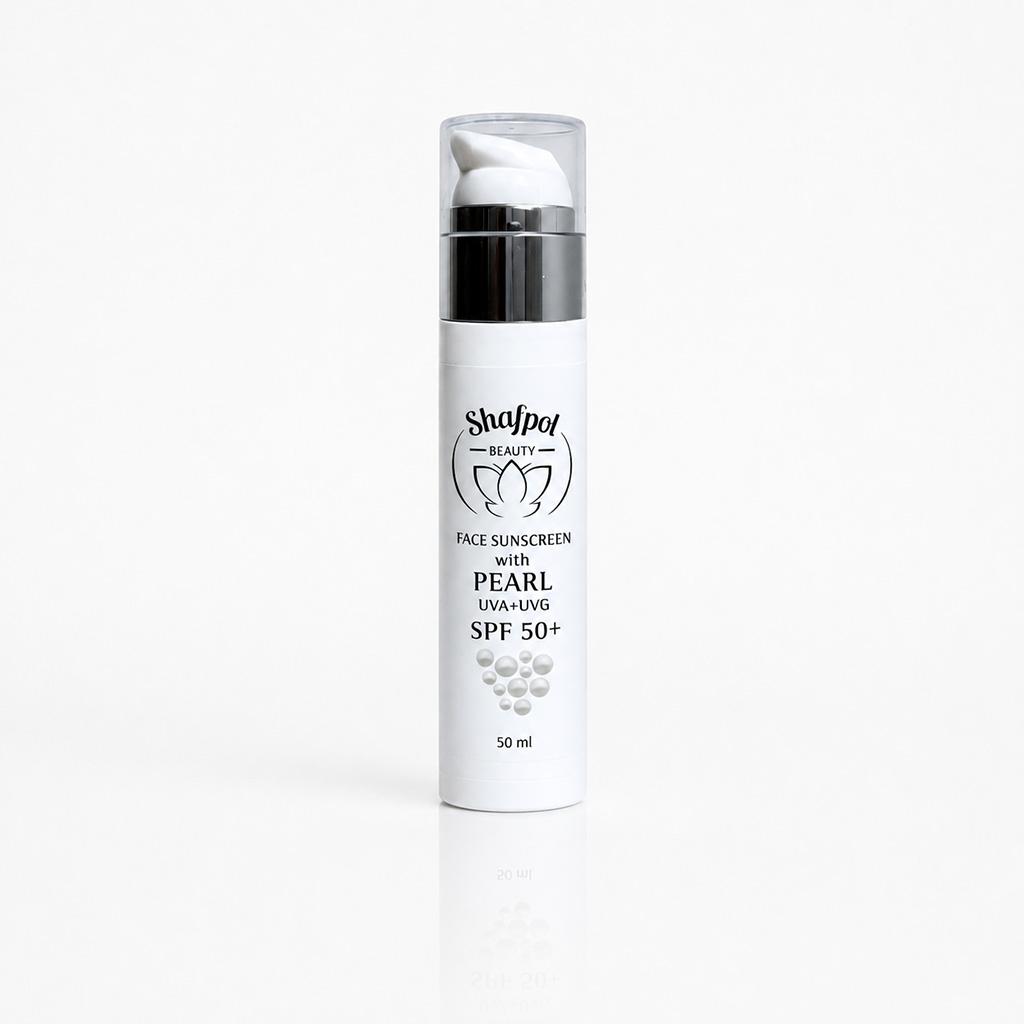
Picrocrocin and crocin absorb ultraviolet rays in the UV-A and UV-B spectrum. In the Mediterranean basin's climate, with its high solar radiation, saffron oils acted as a natural sunscreen filter, protecting the skin from photoageing.
Conclusion
Exploring saffron's historical journey (Crocus sativus L.) through the Mediterranean basin reveals a remarkable pattern of cultural, economic and scientific continuity. This delicate plant's transition from deep sacred significance in the Minoan era to a symbol of unprecedented social prestige and luxury in the Roman Empire demonstrates its adaptability as a cultural marker. Saffron was never merely an agricultural commodity: it functioned as a meeting point between mythological thought, artistic expression and empirical knowledge of the human body.
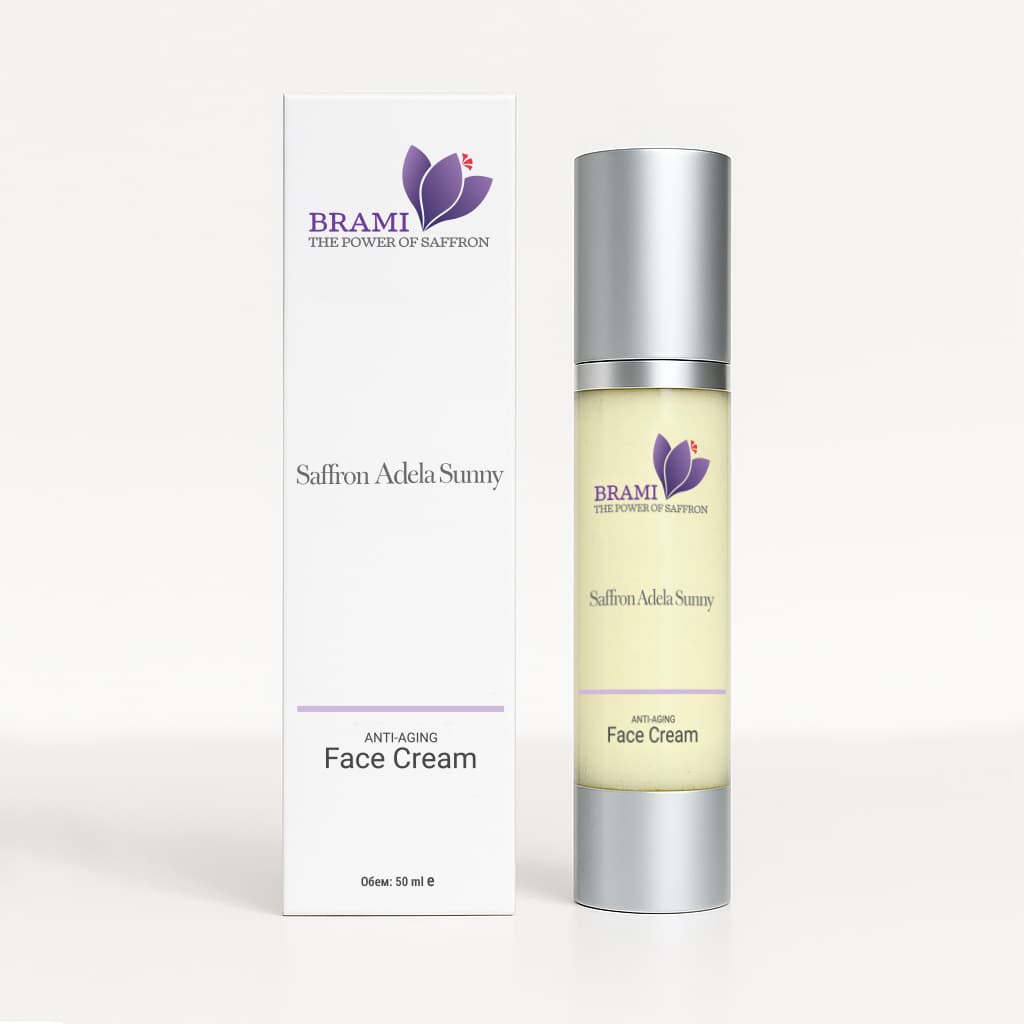
The spice's central place in ancient beauty treatments - from Cleopatra's legendary restorative baths to elaborate patrician face masks - was long viewed by historians solely through the lens of mysticism or vanity. Modern biochemistry and ethnopharmacology, however, successfully demystify these practices. Identifying the therapeutic properties of crocin, crocetin and safranal turns ancient recipes into scientifically grounded protocols. These compounds' proven ability to neutralise oxidative stress, inhibit tyrosinase and stimulate cellular regeneration encourages the modern cosmetics industry to rediscover red gold as an advanced biotechnological component.
Ultimately, saffron in the Mediterranean completes an evolutionary circle: from a sacred flower in the Akrotiri frescoes, picked in honour of the Great Goddess, to a key ingredient in modern nutricosmetics and cellular therapy. This metamorphosis demonstrates that the boundary between ancient tradition and modern science is often made of the same fine, fiery threads that have captivated humanity for millennia.
A bibliography structured according to academic standards, including ancient sources, archaeological research and modern scientific publications in biochemistry and ethnopharmacology:
I. Ancient authors and historical sources
Plinius Secundus, C. (Pliny the Elder). Naturalis Historia (Natural History), Books XXI and XIII. (Describes the use of saffron in Roman perfumes such as Susinum and its sprinkling in theatres.)
Dioscorides, Pedanius (Dioscorides). De Materia Medica (On Medical Material), Book I. (A guide to ancient pharmacology and cosmetics describing the therapeutic properties of Crocus.)
Ovidius Naso, P. (Ovid). Metamorphoses (Metamorphoses), Book IV. (A principal source for the myth of the young Crocus and the nymph Smilax.)
II. Archaeology and cultural history
Doumas, C. (1992). The Wall Paintings of Thera. Athens: The Thera Foundation. (A detailed study of the Akrotiri frescoes, including the Saffron Gatherers.)
Ferrence, S. C., & Bendersky, G. (2004). Therapy with saffron and the Goddess at Thera. Perspectives in Biology and Medicine, 47(2), 199–226. (Analysis of saffron's ritual and medical significance in Minoan culture.)
Day, J. (2011). Counting Threads: Saffron in Aegean Bronze Age Writing and Imagery. Oxford Journal of Archaeology, 30(4), 369–391. (A study of Linear B ideograms and economic control over saffron.)
III. Modern biochemical and ethnopharmacological research
Fagot, O., & Schmidt, E. (2022). Crocus sativus L. extract in modern dermo-cosmetics: Inhibition of tyrosinase and anti-aging properties. Journal of Cosmetic Dermatology, 21(4), 1432–1441. (A study of crocin's mechanism of action on skin pigmentation and ageing.)
Mousavi, S. Z., & Bathaie, S. Z. (2011). Historical uses and pharmacological effects of saffron (Crocus sativus L.). Journal of Medicinal Plants, 10(37), 1–17. (A review of the transition from ancient medicine to modern pharmacology.)
Zeka, K., Ruparelia, K. C., & Arroo, R. R. (2020). Saffron a Golden Spice with Therapeutic Properties: From Ancient Myth to Modern Science. Phytotherapy Research, 34(11), 2821–2835. (Scientific confirmation of the antioxidant capacity of saffron carotenoids.)